

Ramadan 2025 offered an insightful reflection for marketers and brands alike: e-commerce traffic remained high, promotional campaigns were everywhere, yet consumer spending behavior shifted noticeably. People are becoming more selective, not because they’ve lost the desire to shop, but because financial awareness is rising amid ongoing economic pressure.
It’s no longer about who offers the biggest discount, but who understands their audience’s real-life context and priorities. Instead of impulsive shopping like during the pandemic or early recovery years, consumers are now focused on value for money, prioritizing essentials, and delaying non-essential purchases.
For brands and digital marketers, this shift signals something crucial: Ramadan is no longer just a seasonal sales peak — it’s a litmus test for next year’s marketing strategy. The way people shop during Ramadan today often mirrors how they’ll make consumption decisions throughout the rest of the year, even into Ramadan 2026.
Key Insights from Ramadan 2025
1. Consumers Are Spending Wisely, Not Stopping
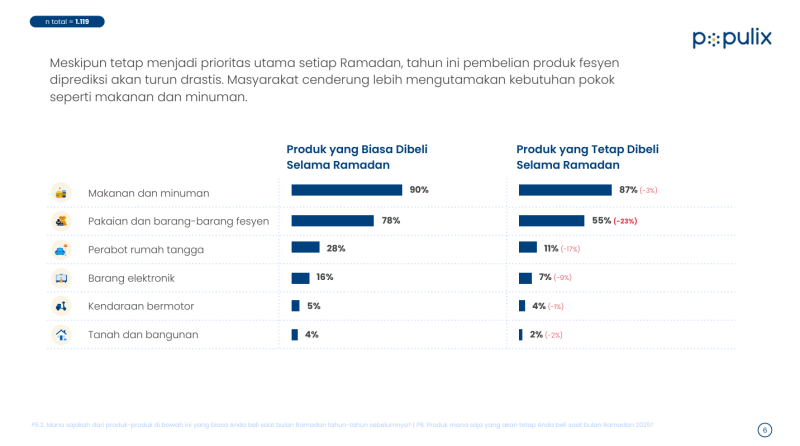
According to a Populix survey of 1,119 Indonesian respondents, 90% usually buy food and beverages during Ramadan, and 87% planned to continue doing so in 2025, a modest 3% drop from last year.
In contrast, fashion purchases, typically a Ramadan highlight, fell sharply from 78% to 55%. (Source: Populix)
The message is clear: Ramadan shopping is shifting from annual splurge to daily priority. Consumers are budgeting carefully, putting essentials before lifestyle.
2. Economic Sentiment Remains Low
Indonesia’s economy in 2025 reinforces this cautious pattern. The Consumer Confidence Index (CCI) fell to 121.1 in March 2025, and dropped further to 115 in September 2025, the lowest level since 2022. (Source: Trading Economics).
With consumer confidence still subdued, Ramadan 2026 demand will likely mirror 2025: steady but cautious. People haven’t stopped spending, they’re simply more rational and value-driven.
3. Digital Consumption Surges, Ramadan as a “High-Attention Season”
While spending power declines, attention skyrockets. Ramadan 2025 marked a major digital behavior shift:
- Mobile activity surged significantly, especially during suhur and iftar hours, with video consumption up by +33%. (Source: M+C Saatchi Performance)
- According to Think with Google, Ramadan-related searches rose by 20% during the holy month.
In short, Ramadan is now the attention peak of the digital calendar, a period when audiences are most active in seeking inspiration, recipes, promotions, and relatable content.
What Brands Can Learn from Ramadan 2025?
Ramadan 2025 taught marketers one clear truth: emotion and context beat big discounts.
Today’s consumers value relevance and empathy more than aggressive sales messages. Campaigns that highlight community, gratitude, and shared meaning resonate far stronger than transactional promotions.
Example: A message like “Save More, Share More” connects deeper than “Massive Ramadan Discounts!” Brands that position themselves within consumer conversations, not just in their catalogs, will build lasting connection and trust.
Strategic Playbook for Ramadan 2026
Based on 2025 insights and current economic realities, here are five actionable strategies to help brands thrive in Ramadan 2026:
1. Build Meaningful Brand Positioning
Consumers crave relevance. Frame your brand narrative around togetherness, simplicity, and social value, not luxury or excess. Use storytelling that feels warm, human, and emotionally close. Light in tone, but rich in meaning.
2. Capture the “Search Moment” and Digital Consumption Peak
With search activity climbing sharply, brands must show up where intent lives:
- Use SEO around natural queries like “how to prepare a healthy sahur meal for a small family.”
- Optimize for voice & visual search, now widely used in Ramadan browsing.
- Prioritize short videos,live commerce, and interactive content during suhur and iftar windows.
3. Focus on Short Entertainment
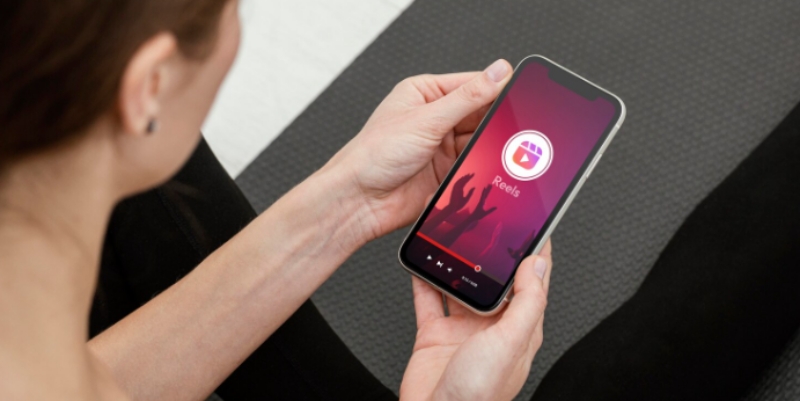
Ramadan is the peak season for light, short-form entertainment, especially on TikTok, Reels, and YouTube Shorts. Content between 15–30 seconds, with quick storytelling, humor, or Ramadan mini-dramas, achieved 2–3× higher engagement than longer videos (based on TikTok Indonesia internal data, 2025).
Blend education + entertainment (edutainment) to keep your content both valuable and enjoyable.
4. Perfect Your Timing: Use the Right “Time Window”
Google data highlights two golden windows for digital engagement:
- Before iftar (4:00–6:30 PM) → peak for recipe searches, promo hunting, and light entertainment.
- During suhur (3:30–5:30 AM) → ideal for reflective, spiritual, or practical content.
Use ad scheduling and real-time engagement tools to appear during these high-attention hours, not just through continuous, untargeted ads.
5. Gunakan Data 2025 Sebagai Benchmark
Analyze which product categories stayed resilient (food, beverage) and which declined (fashion, secondary goods). Design offers that highlight added value, convenience, relevance, or bundles, instead of relying solely on discounts. And most importantly, keep your plan flexible, ready to adapt to economic shifts leading into Ramadan 2026.
Conclusion
Ramadan 2025 revealed a new consumer mindset in Indonesia: more mindful, selective, and digital. With the economy still stabilizing, Ramadan 2026 will challenge brands to be empathetic, relevant, and adaptive.
In the end, it’s not the brands with the biggest promotions that will win, but those that understand context and consumer needs best.
*Summarized from various sources.
About DRECT Digital
DRECT DIGITAL is a digital agency dedicated to helping brands build and grow their online presence strategically. We believe that digital transformation isn’t about following trends, it’s about creating meaningful impact for businesses.
Through a data-driven approach, creative insight, and cross-industry experience, DRECT DIGITAL delivers relevant digital solutions, from strategy and web development to impactful digital marketing strategy that drives real business results.