In today’s digital era, almost every brand wants to “be more visible online.” Whether you’re building a new brand, expanding your reach, or trying to boost online sales, sooner or later you’ll come across two popular terms in digital marketing: SEO and SEM.
They often appear together in marketing discussions, sometimes even used interchangeably. But in reality, SEO and SEM have very different mechanisms, characteristics, and purposes. By understanding the differences between the two, you can decide which one will be the most effective marketing strategy for your brand.
Fun Fact: Around 68% of all online experiences begin with a search engine, and less than 5% of users ever click to the second page of Google results. (Source: DemandSage, 2025)
In other words, if your brand isn’t on the first page, you’re practically invisible.
What Is SEO (Search Engine Optimization)?
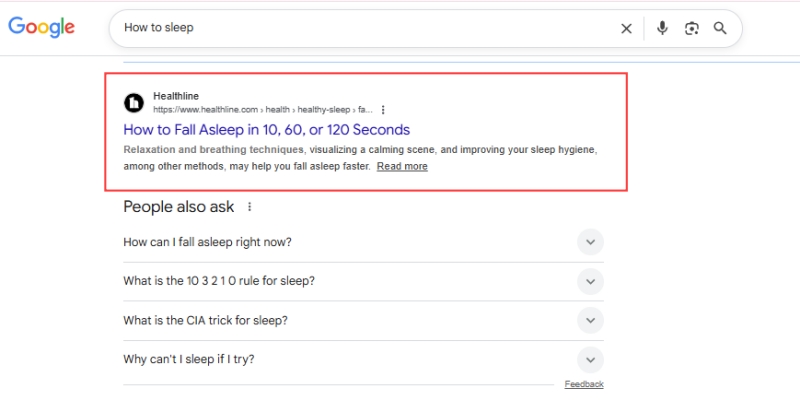
SEO is the process of optimizing your website so it appears organically (without paid ads) in search engine results.
Its main goal is to attract relevant traffic and build long-term credibility.
For example, when someone searches “how to choose sunscreen for oily skin”and finds an article from your brand (without the “Ad”label), that’s the result of SEO in action.
How SEO Works
Google analyzes thousands of factors to decide who deserves to appear at the top. Some of these include:
- Content relevance to keywords
- Website speed and security
- User experience (UX)
- Page structure and metadata . And many more technical elements
So, SEO isn’t just about writing articles, it’s about building a strong digital foundation.
Core Components of SEO
- 🔍 Keyword Research: Find what your audience is actually searching for.
- 🧩 On-Page Optimization: Structure titles, metadata, and layout so Google understands your content easily.
- ✍️ Quality Content: Deliver the most relevant, useful, and well-written answers.
- ⚙️ Technical SEO: Make sure your site is fast, mobile-friendly, and error-free.
📈 Data Insight: Around 96.5% of web pages get zero organic traffic from Google.. (Source: Ahrefs, 2024)
That means only a small fraction of brands truly master SEO, and that’s where the opportunity lies.
Pros of SEO
- No cost per click
- Long-term impact
- Builds brand authority
- Attracts users actively seeking solutions
Cons of SEO
- Takes time (usually 6+ months to see results)
- Highly competitive
- Requires technical knowledge or expertise
Read more Understanding How SEO Works (Simplified Guide)
What Is SEM (Search Engine Marketing)?
If SEO is a marathon, SEM is a sprint. SEM uses paid ads (like Google Ads) to place your website at the top of search results, not in months, but in hours.
For instance, when someone searches “buy original sneakers” and the top result says “Ad,” that’s a SEM campaign.

How SEM Works
SEM relies on a Pay-Per-Click (PPC)model, you only pay when someone actually clicks your ad.
The strategy involves:
- 🎯 Paid Keyword Research: Target high-volume but cost-efficient keywords.
- 🧠 Ad Copywriting: Craft headlines and descriptions that attract clicks.
- 📍 Audience Targeting: Define demographics, location, and behavior.
- 💰 Budget Optimization: Adjust bids to maximize ROI without overspending.
📊 Fun Fact: Global spending on search advertising exceeds US$200 billion per year. (Source: SEO.com)
This proves that both big and small brands rely on SEM to get fast results.
Pros of SEM
- Immediate visibility (can go live the same day)
- Highly targeted audience
- Perfect for short-term campaigns
- Easy to track and measure performance
Cons of SEM
- Can be expensive per click
- Results stop when ads stop
- Requires ongoing optimization for positive ROI
SEO vs SEM: Key Differences and When to Use Each
| Aspect | SEO | SEM |
| Traffic Type | Organic (Free) | Paid (PPC) |
| Speed of Results | Slow but steady | Fast and instant |
| Effect Duration | Long-term | While ads are active |
| Main Goal | Build trust and authority | Generate traffic & conversions quickly |
| Best For | Brands with long-term growth plans | Brands needing quick results or short-term promos |
| Cost | Time & effort investment | Monetary investment & budget management |
| Examples | Blog articles, product SEO, educational content | Google Ads, promo landing pages |
📊 Fun Fact: Google still dominates the global search market with a share of over 90%.
(Source: Exploding Topics, 2024)
So whether it’s SEO or SEM, both ultimately revolve around how you appear on Google.

Smart Strategy: Use SEO and SEM Together
Here’s the good news , you don’t have to choose one over the other. Successful brands often combine SEO and SEMto complement each other.
💡 Use SEM when you need quick results:
- Launching a new product
- Testing messages or offers
- Running seasonal promotions
🌱 Use SEO to build long-term growth:
- Increase organic visibility
- Become an industry authority
- Strengthen credibility and awareness
📈 Data Insight: Some studies show that SEO can deliver up to 22x ROI on initial investment. (Source: SearchAtlas, 2024)
With the right mix, you’ll have a “dual-engine” strategy. SEM drives quick traffic, while SEO ensures your brand stays relevant long after the ads stop.
Conclusion: Focus on Strategy, Not Just the Channel
Both SEO and SEM are tools. The real differentiator is how you strategically use them to connect with your audience.
- SEO builds long-term trust and visibility.
- SEM delivers quick, measurable results.
So, when you’re deciding your brand’s digital marketing channel:
- Need instant impact → Start with SEM
- Want sustainable growth → Focus on SEO
- Want both → Combine them for maximum results
Ultimately, SEO and SEM aren’t rivals, they’re two different roads leading to the same destination: making your brand easier to find, more trusted, and more relevant online.
Frequently Asked Questions About SEO & SEM
1. What’s the main difference between SEO and SEM?
The most fundamental difference lies in how to get traffic.
- SEO (Search Engine Optimization) focuses on organic visibility. You don’t pay Google directly, but you optimize content to appear naturally.
- SEM (Search Engine Marketing) is paid visibility you pay for ad placement, usually via Google Ads.
Both aim to increase visibility but differ in strategy and speed.
2. Which is more effective for my brand: SEO or SEM?
It depends on your goals.
- If you need fast results (e.g., product launches or short-term campaigns), choose SEM.
- If you want sustainable growth and audience trust, choose SEO.
Most brands benefit from combining both: SEM for instant visibility, SEO for lasting authority.
3. How long does SEO take to show results?
Typically 3–6 months, depending on:
- Keyword competitiveness
- Content and backlink quality
- Website technical health
SEO isn’t instant, but once it works, the results are long-lasting, even without ongoing investment.
4. Is SEO free and SEM always paid?
Technically yes
- SEO doesn’t charge per click, but it requires time, tools, and expertise.
- SEM always involves ad spend (Pay-Per-Click model).
So while SEO is “free” in concept, it still has indirect costs for optimization.
5. Does SEM affect SEO performance?
Not directly .Google confirms that ads don’t influence organic rankings. However, SEM can indirectly support SEO by:
- Increasing brand awareness
- Driving new traffic
- Testing keywords for SEO strategy
In short, SEM can be a fast “testing lab” for your SEO efforts.
6. What types of businesses benefit most from SEO?
SEO suits brands that:
- Want to be a trusted authority in their field
- Have products or services people actively search for
- Focus on education, thought leadership, or long-term growth (B2B, e-commerce, services, education)
Businesses with long-term strategies and educational content usually benefit the most from SEO.
7. What types of businesses benefit most from SEM?
SEM is great for brands that:
- Are newly launched and need quick traction
- Run seasonal or time-limited promotions
- Have a defined ad budget
- Want to target specific audiences or locations
Examples: e-commerce, fintech, travel, events, F&B, or property.
8. How much does SEM (Google Ads) cost?
It varies by industry and keyword competition. In Indonesia, average cost-per-click (CPC) ranges from IDR 1,000 to 10,000, and can go higher in competitive sectors like finance or real estate. You can start small, around IDR 100,000–300,000/day for testing.
9. Can SEO and SEM run together?
Absolutely. They’re more powerful together. Use SEM for immediate traffic and audience testing, while SEO builds organic visibility for the long term. Many top-performing brands use this hybrid strategy.
10. How do I know which strategy works best?
Track your data:
- Google Analytics: Traffic sources and user behavior
- Google Search Console: Organic performance (clicks, impressions, ranking)
- Google Ads Dashboard: Paid campaign metrics (CPC, CTR, conversions)
Use these insights to refine your mix continuously.
11. Is SEO still relevant in the age of AI and social media?
Absolutely. Even with AI tools and social media growth, search engines still power 68% of all online experiences. SEO today goes beyond keywords , It’s about building trust, authority, and discoverability in an AI-driven search world.
About DRECT Digital
DRECT DIGITAL is a digital agency dedicated to helping brands build and grow their online presence strategically. We believe that digital transformation isn’t about following trends, it’s about creating meaningful impact for businesses.
Through a data-driven approach, creative insight, and cross-industry experience, DRECT DIGITAL delivers relevant digital solutions, from strategy and web development to impactful digital marketing strategy that drives real business results.