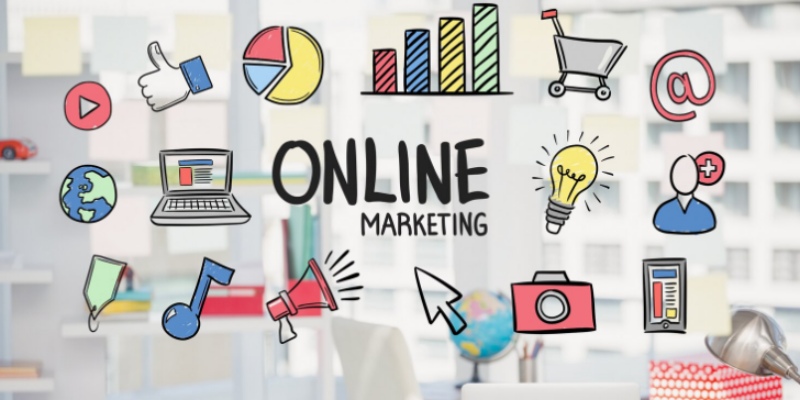
In today’s digital-first world, brands have a multitude of marketing channels to choose from: SEO, SEM, social media ads, influencer campaigns, email marketing, and more. The challenge? The more options available, the harder it is to determine which channels are truly effective for your business.
Many brands end up “following trends”, seeing competitors run TikTok Ads and jumping in, hearing a friend succeed with Google Ads and trying it too. But what works for one brand doesn’t always work for another.
This guide will walk you through the main types of digital marketing channels, helping you understand the differences and characteristics of each. We’ll also include data, insights, and practical examples so you can choose the channels that align best with your brand’s goals.
💡 Fun fact: On average, companies use more than five digital marketing channels simultaneously, but only 2-3 channels deliver significant results. (Source: HubSpot, 2025)
- What Are Digital Marketing Channels?
- Main Types of Digital Marketing Channels
- Comparison Table of Digital Marketing Channels
- Strategy: Choosing Channels Based on Brand Goals
- Case Study: Choosing the Right Marketing Channels
- Conclusion: Don’t Chase Trends, Build a Strategy
- Frequently Asked Questions About Digital Marketing Channels
- About DRECT Digital
What Are Digital Marketing Channels?
Simply put, a digital marketing channel is a pathway or medium a brand uses to reach, interact, and build relationships with its audience online.
Each channel has unique characteristics, costs, and outcomes, and ideally, they complement one another. Broadly, digital channels can be categorized into three types:
- Owned Media → Channels fully controlled by your brand (website, blog, email list).
- Paid Media → Paid channels like Google Ads, Meta Ads, TikTok Ads.
- Earned Media → Channels driven by public trust, such as reviews, SEO, and user-generated content.
🎯 Key point: The goal isn’t to pick the “best” channel, but to understand each channel’s role and how they can work together.

Main Types of Digital Marketing Channels
1. SEO (Search Engine Optimization)
SEO optimizes your website to appear in Google’s organic search results. It’s a long-term strategy aimed at building trust and stable traffic without paying per click.
Pros
✅ Organic & credible traffic
✅ Low long-term cost
✅ Effective for education & awareness
Cons
❌ Takes 3-6 months to see results
❌ Requires technical skills & consistency
🔍 Data Insight: Around 68% of online experiences start with a search engine, and 75% of users never scroll past the first page. (Source: DemandSage, 2025)
Best for: Long-term focused brands, long-lifecycle products, or brands looking to build a strong digital reputation.
2. SEM (Search Engine Marketing)
Unlike SEO, SEM uses paid ads (e.g., Google Ads) to appear at the top of search results.
Pros
✅ Fast, measurable results
✅ Suitable for short-term campaigns
✅ Targets specific keywords
Cons
❌ High cost for popular keywords
❌ Results stop when ads stop
💰 Fact: Global spending on search ads exceeded US$200 billion in 2024. (Source: SEO.com, 2024)
Best for: Product launches, promotions, or new brands seeking quick results.
Read more SEO vs SEM: Which One Is Right for Your Brand?
3. Social Media Marketing
Social platforms are the most popular channels for engaging with audiences. Instagram, TikTok, Facebook, and LinkedIn provide interactive storytelling opportunities.
Pros
✅ Increases awareness & engagement
✅ Can go viral if content is relevant
✅ Builds brand communities
Cons
❌ Algorithm changes frequently
❌ Requires consistent, creative content
📊 Data: Around 77% of consumers are more likely to buy from brands they follow on social media. (Source: Sprout Social, 2025)
Best for: Lifestyle, F&B, fashion brands, or businesses wanting strong community connections.
4. Influencer Marketing
Leveraging individuals with a relevant audience, from nano-influencers (1K–10K followers) to celebrities (1M+).
Pros
✅ Authentic & personal
✅ Boosts brand credibility
✅ Ideal for awareness & soft selling
Cons
❌ ROI hard to measure without clear KPIs
❌ Risk of mismatch with brand image
🌟 Fun fact: Every $1 spent on influencer marketing yields an average $5.78 ROI. (Source: Influencer Marketing Hub, 2025)
Best for: New brands, lifestyle, beauty, and FMCG wanting fast trust-building.
5. Content Marketing
Focuses on delivering value via education and storytelling, such as blogs, videos, podcasts, infographics, or e-books.
Pros
✅ Builds authority & trust
✅ Supports SEO & social media
✅ Can be repurposed across channels
Cons
❌ Requires high consistency
❌ Results are medium-to-long term
📚 Insight: Around 70% of consumers prefer brands that provide informative content over direct promotion. (Source: Content Marketing Institute, 2024)
Best for: Any brand looking to educate its audience and strengthen positioning.
6. Email Marketing
Often considered “old school,” but still one of the highest ROI channels.
Pros
✅ High ROI ( ~$36 per $1 invested)
✅ Effective for retention & nurturing
✅ Easy to personalize
Cons
❌ Requires an active database
❌ Risk of being flagged as spam
Best for: Brands with loyal customers, e-commerce, or B2B.
7. Display Ads & Programmatic
Banner ads, videos, and remarketing campaigns. Good for broad reach and reminding previous visitors.
Pros
✅ Wide audience reach
✅ Supports awareness & remarketing
Cons
❌ Low CTR (<0.5%)
❌ Risk of ad fatigue
Best for: Brand awareness campaigns and visually-driven campaigns.
8. Affiliate & Partnership Marketing
Performance-based model: partners promote your product and earn a commission on each sale.
Pros
✅ Pay for results only
✅ Scalable & cost-effective
Cons
❌ Requires active partners
❌ Limited control over brand image
🤝 Data: Around 80% of major brands run affiliate programs. (Source: Rakuten Advertising, 2024)
Best for: E-commerce and digital products.
Comparison Table of Digital Marketing Channels
| Channel | Main Goal | Time to Result | Pros | Cons | Best For |
| SEO | Organic traffic & credibility | 3–6 months | Free per click, long-term, builds authority | Takes time & consistency | Long-term brands, educational content |
| SEM / Google Ads | Fast traffic & conversions | Instant | Fast results, measurable, targeted | High cost, stops when ads stop | Product launch, promotions, new brands |
| Social Media Marketing | Awareness & engagement | Fast | Interactive, viral potential, builds community | Algorithm changes, needs consistency | Lifestyle, F&B, fashion brands |
| Influencer Marketing | Credibility & personal reach | Fast–medium | Authentic, personal, trust-building | Hard ROI measurement, mismatch risk | New/lifestyle/beauty/FMCG brands |
| Content Marketing | Authority & education | Medium | Builds trust, supports SEO & social | Needs consistency, medium-term results | Any brand aiming for education & positioning |
| Email Marketing | Retention & conversions | Fast | High ROI, easy personalization | Needs active database, spam risk | Loyal customers, e-commerce, B2B |
| Display Ads / Programmatic | Awareness & remarketing | Instant | Wide reach, visual impact | Low CTR, ad fatigue | Brand awareness campaigns |
| Affiliate / Partnership | Performance-based sales | Medium | Pay per result, scalable | Needs active partners, limited control | E-commerce & digital products |
💡 Note: Not every brand needs all channels at once. Focusing on 2-3 channels most aligned with your brand strengths and goals is usually more effective and efficient.

Strategy: Choosing Channels Based on Brand Goals
Not all channels need to be used simultaneously. Choose based on your brand goals.:
- New launch: SEM + Influencer + Social Media
- Increase awareness: Social Media + Display Ads + Content
- Long-term growth: SEO + Content + Email
- Quick conversions: SEM + Email + Remarketing
📈 Insight: Brands using a multi-channel marketing strategy reported ROI improvements of up to 24%. (Source: Omnisend, 2025)
Case Study: Choosing the Right Marketing Channels
A women’s fashion brand in Bandung wanted to expand its digital reach. They tried almost all channels simultaneously, SEO, SEM, TikTok Ads, YouTube, and influencer marketing.
Results:
- Budget tripled, but revenue only increased 40%
- High traffic, low conversions (<1%)
- Team overwhelmed producing content for every platform
Problem: Lack of focus. They spread too thin and underutilized their core strength, their loyal Instagram community.
Solution: Focus on High-Impact Channels
They simplified from six channels to three:
- Instagram + Micro Influencer → storytelling & awareness
- Email & Whatsapp Marketing → customer retention
- SEO ringan (blog edukatif) → long-term credibility
After 3 months:
- Engagement rate rose to 4,6%
- Repeat purchases increased 38%
- Marketing ROI increased from 1.4x → 3.2x, with 40% more efficient budget
💡 Fun fact: Brands focusing on a maximum of three digital channels achieve up to 30% more cost efficiency compared to using 5+ channels. (HubSpot, 2025).
Insight:
Success came from prioritizing channels, not adding more.
"The best digital strategy isn’t about being everywhere, it’s about being strong where it matters most to your audience."

Conclusion: Don’t Chase Trends, Build a Strategy
There’s no single “best” digital channel, only the channels most relevant to your brand’s stage and goals.
Focus on combinations that deliver tangible impact and integrate them to reinforce each other.
💡 Remember: Every brand is unique.
What works for another brand may not work for yours, even within the same industry.
Audience, positioning, team capacity, and growth stage all influence results.
Instead of copying others, use data and audience insights to determine your path. Start with channels that leverage your brand’s core strengths, content, community, speed, or credibility.
🎯 “It’s not about where you appear, but how you communicate your brand’s value across each channel.”
Frequently Asked Questions About Digital Marketing Channels
1. Which digital channels are cheapest but effective?
SEO and Email Marketing, high ROI with relatively low cost (requires time & consistency).
2. Can SEO and social media support each other?
Yes. Blog content can be repurposed for social posts, and social traffic can help boost SEO rankings.
3. What’s the ideal budget split across channels?
Typically: 30–40% for paid media (SEM/ads), 30% for content & SEO, the rest for social & retention (email).
4. Which channels work best for B2B?
SEO, LinkedIn Ads, and Email Marketing, focus on education and lead nurturing.
5. How do I measure the success of each channel?
Use channel-specific metrics: CTR & CPC (ads), engagement rate (social), conversion rate (SEM), ROI (email), traffic growth (SEO).
About DRECT Digital
DRECT DIGITAL is a digital agency dedicated to helping brands build and grow their online presence strategically. We believe that digital transformation isn’t about following trends, it’s about creating meaningful impact for businesses.
Through a data-driven approach, creative insight, and cross-industry experience, DRECT DIGITAL delivers relevant digital solutions, from strategy and web development to impactful digital marketing strategy that drives real business results.